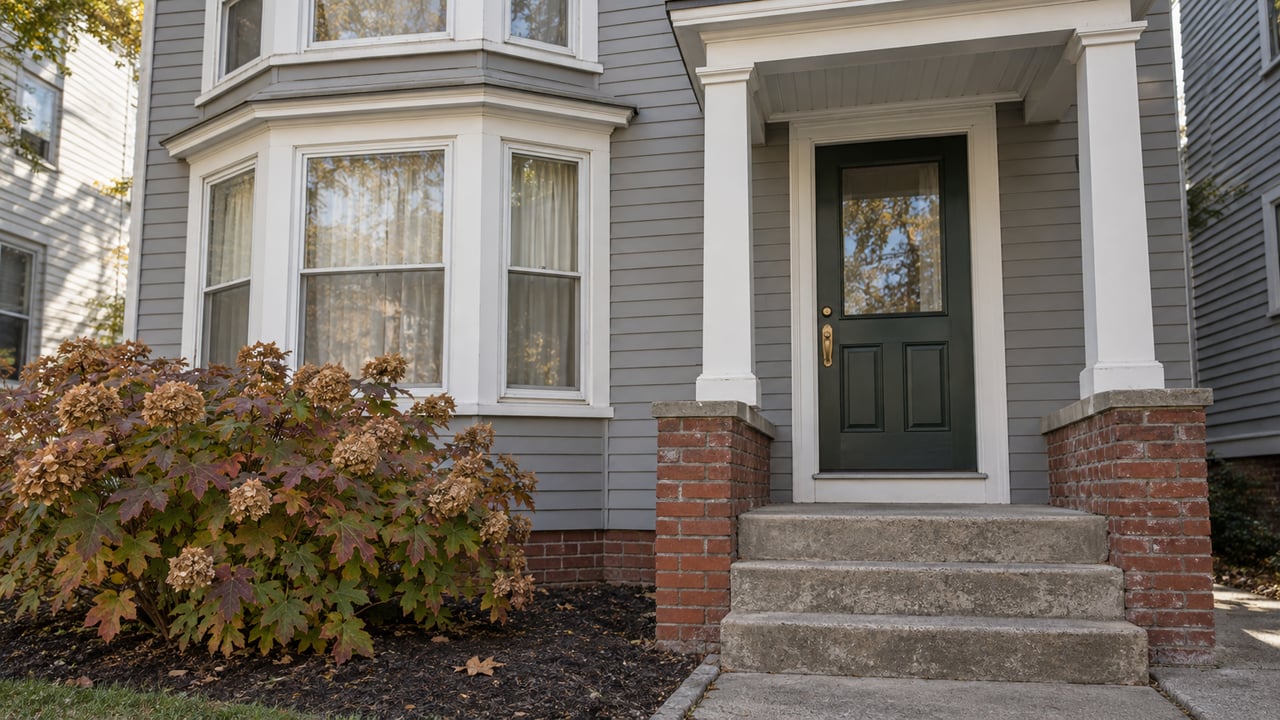
Belleville's 2026 Tax Bills Are Running Late. Here's What That Means for a Fall Closing.
October 29, 2026
October 29, 2026
A property tax bill is due in Belleville on November 1, the same as every year. This year the township hasn't been able to mail it. In late October the township said its 2026 municipal budget was still not adopted, so "property tax bills were unable to be mailed on a timely basis."
If you're selling or buying a Belleville home and closing in November or December, that delay affects your closing statement. New Jersey law sets up the year's last tax bill to absorb whatever the earlier bills didn't cover. Until that bill exists, the property tax split between buyer and seller rests on a figure that isn't final.
On October 22, 2026, Patch reported the township's update in full:
"Due to the delay with the 2026 budget adoption, property tax bills were unable to be mailed on a timely basis. The grace period for the 4th quarter taxes will be extended to allow sufficient time to remit payment. Grace period date will be posted on our website once the tax bills are generated and mailed."
So the notice gives no mailing date, no new grace date and no 2026 amount. Patch also reported what still has to happen before the budget is final. The state must finish its review, and then the township council has to hold a public hearing and a final vote. Belleville has company in this. Patch named Newark and West Orange as other Essex County municipalities still waiting on final 2026 budgets.
For comparison, the state's normal schedule calls for calendar-year towns to introduce their budgets by March 31 and adopt them by April 30, according to the New Jersey Division of Local Government Services' Local Finance Notice 2026-05.
A New Jersey tax year isn't four equal bills. Each installment is calculated from what was known when it was issued:
The fourth installment is where the year gets reconciled. Any increase not already captured in earlier bills shows up there. In Belleville this year, the fourth-quarter bill is the one that hasn't been mailed.
Belleville's 2026 numbers are moving in one direction. In its September 30 report, Patch quoted chief financial officer Frank DiMaria confirming that the proposed municipal budget includes a $175 municipal tax increase for a home assessed at roughly $300,000. Patch reported that the biggest driver is group insurance, which is up about $4 million and now takes about 27 percent of the municipal budget. The council approved an amendment on September 29 but tabled the vote on the final version. The amendment made no significant change to the tax levy.
The school side is already settled. The Belleville Board of Education approved its 2026–27 budget in April with a 5.99 percent increase in the school levy, which Patch put at $268 more for a home with the average assessment of $280,565.
The $175 figure is based on a roughly $300,000 assessment and the $268 figure on a $280,565 assessment, and the county portion of the bill isn't reflected in either one. What they do show is that the certified 2026 total is expected to come in above 2025. Under the reconciliation formula, the fourth-quarter bill is built to make up that difference.
New Jersey residential sale contracts typically split real estate taxes as of the closing date. The contract forms are maintained by New Jersey REALTORS. That split needs an annual figure, and for 2026 Belleville doesn't have a final one yet. Here is what is and isn't settled as of the township's late-October notice:
| Item | Status as of late October 2026 |
|---|---|
| 2025 general tax rate | 4.157, per the state's 2025 rate table |
| 2025 average residential assessment | $279,899, per NJ Treasury |
| 2025 average residential tax bill | $11,635, same source |
| 2026 school portion | Approved in April; +$268 at a $280,565 assessment |
| 2026 municipal budget | Not adopted; $175 increase proposed at about $300,000 assessed |
| 2026 fourth-quarter bill | Not yet mailed; new grace date to be posted |
The 2025 figures fit together. A 4.157 rate applied to the $279,899 average assessment comes to about $11,635, the state's average bill. That works out to roughly $31.88 a day per average home for 2025. A December closing splits the year's taxes by the day: the seller covers roughly eleven months and the buyer the rest. If the split uses the 2025 figure, or any estimate below the certified 2026 total, the difference sits in a bill that arrives after the deed has changed hands.
Who ends up covering that difference depends on the contract and how the closing statement handles it. That's a question for your attorney, because the answer depends on your contract's terms.
Belleville's tax collector page sets out rules that matter more than usual this year.
For this year's fourth-quarter installment, the township has said it will extend the grace period. State law also limits when interest can start on a late reconciled bill. Under N.J.S.A. 54:4-66.3, interest begins on the latest of November 1, any additional interest-free period the town authorizes, or a set number of days after mailing. When the bill is eventually mailed, the date it was mailed and the grace date the township posts both matter. Buyers should keep the forwarding rule in mind. If a reconciled bill shows up in the seller's mailbox after closing, it's meant to reach the new owner.
These are questions to put to your real estate attorney and settlement agent. They aren't steps to take on your own:
No. The township said the delay applies to tax bills generally because the 2026 budget hasn't been adopted.
The due date stays on the collector's schedule, but the township said it will extend the fourth-quarter grace period and post the new date after bills are mailed.
No one can say yet. The $175 figure is from a proposed municipal budget at a roughly $300,000 assessment. The $268 school figure uses a $280,565 assessment. The county share is set separately.
On the Township of Belleville website, according to its tax bill delay notice.
This post is general information, not legal, tax or financial advice. Please confirm your own situation with your attorney, tax professional or lender before you act on it.
If your Belleville closing falls before the 2026 tax bills arrive, Cesar Rosado can go through the tax line on your closing statement with you and coordinate with your attorney so each figure is accounted for. Assistance is available in English and Spanish. Let's Connect.
Real estate decisions deserve thoughtful guidance and expert execution. Cesar combines local market knowledge, personalized service, and strong negotiation skills to help clients achieve exceptional outcomes. Your goals become the foundation of every strategy.

Cesar Rosado
160 S Livingston Ave Livingston, NJ 07039